
Interview with Beth Hart, McDonald’s Chief Sustainability & Social Impact Officer

Download Interview
View PDF version here
An Interview with Beth Hart
Watch the full interview with Beth Hart here.
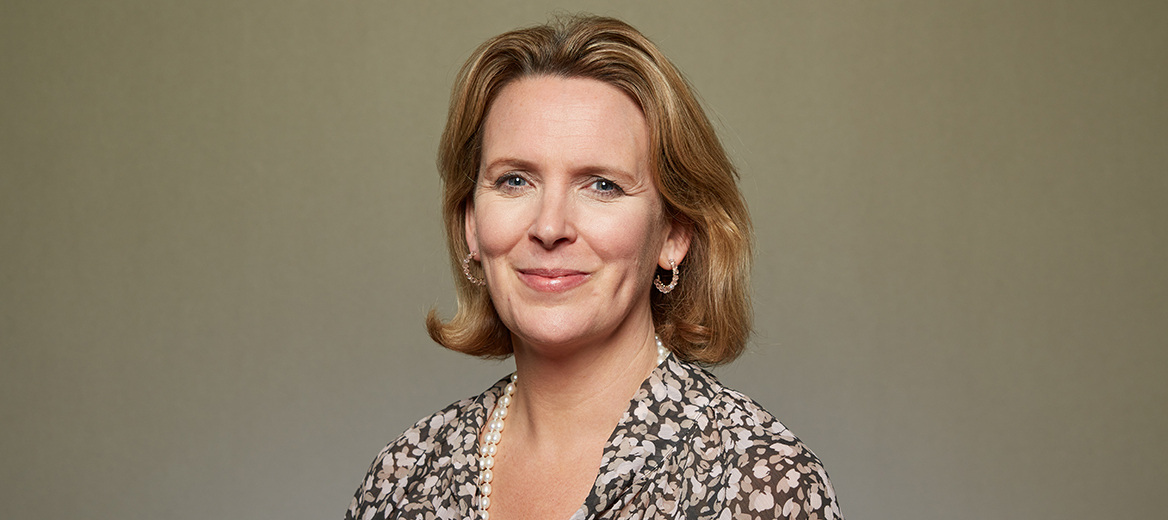
McDonald Corp's chief sustainability officer, Beth Hart
Five Minutes with McDonald’s Chief Sustainability and Social Impact Officer
How does one of the world’s most famous restaurant chains approach sustainability? And what sustainability challenges keep industry leaders up at night?
Bord Bia’s Maureen Gahan recently put these questions to Beth Hart, Chief Sustainability and Social Impact Officer at McDonald’s.
This interview has been edited and condensed for clarity.
You’re originally from Northern Ireland but now living and working in Chicago for McDonald’s. How did that journey happen?
Beth:
It’s certainly a long way from growing up in Lurgan in County Armagh, Northern Ireland. I started my career on the graduate training scheme at Marks & Spencer on Baker Street in London. I was surrounded by mentors and supporters and eventually worked through roles at Mars, Diageo, Safeway, and Sainsbury’s.
I joined the McDonald’s UK and Ireland business seven years ago.
If you were to look at the next 12–18 months, what challenges are going to be demanding your focus?
Beth:
Never has it been so important that the private and public sector and NGOs work in partnership to deliver resilient sourcing models. We need to make sure that farmers can earn a livelihood, and that McDonald’s franchisees can earn a livelihood and have an impact in their communities.
What are the big sustainability challenges facing McDonald’s in terms of both environmental and social sustainability?
Beth:
Our challenge unquestionably is around carbon reduction and our environmental footprint. A huge proportion of that footprint sits in our supply chain. That’s why we work with really pioneering suppliers, like our Irish suppliers.
Do you have any advice on how to spot and nurture supplier partnerships? How do you ensure they’re mutually beneficial?
Beth:
We stay very loyal to the suppliers we’ve already got. It’s critical that any new supplier genuinely brings something new, whether that’s innovation or the ability to help us solve a problem.
Those problems aren’t always related to growth — they’re often related to sustainability and social impact.
Once we’ve connected with a supplier, we invest heavily at all levels to build a relationship and mutual understanding. When that connection is close and we really understand each other, that’s where the magic happens.
What success stories or initiatives are you most excited about right now?
Beth:
In many of the countries we operate in, farmers are under enormous pressure to ensure they can invest in the long term. In the US, for example, we’ve invested over $200 million across 38 states as part of a regenerative agriculture programme to support farmers in transitioning to regenerative practices.
What we’re doing in the US builds on learnings from other countries around the world. The solution to resilient supply chains differs from country to country, but the guiding principles are universal.
That’s a significant investment. What other challenges are top of mind right now?
Beth:
You can never do it all. When your role spans sustainability, human rights, community action, nutrition, sustainability reporting, and legal compliance, there is always something demanding attention somewhere in the world.
There’s always that question: are we doing enough?
What do you appreciate most about McDonald’s partnership with Bord Bia?
Beth:
We really treasure our relationship with Bord Bia. It’s a partnership that spanned COVID and Brexit — a pretty lethal combination of challenges for the food system.
During that time, we worked closely with Bord Bia and the Irish government to ensure we stayed compliant with regulations, while keeping our supply chain and businesses in Ireland thriving.
Can you share an example of how Bord Bia has contributed to your sustainability efforts?
Beth:
Tracking greenhouse gas reduction, soil health, biodiversity, water quality and responsible animal medicine usage requires a multifactorial approach to measuring what matters.
Bord Bia’s Origin Green programme is highly respected within McDonald’s. What sets it apart is the decade of verified farm‑level data it provides. That enables us to truly understand how farmers are progressing and the real‑world impact they’re having.
“Our relationship with Bord Bia has informed our thinking around sustainable food supply chains and regenerative agriculture — not just for Ireland, but across our global supply chain system.”


Talk to our experts
Our in‑house experts are ready to help. They can answer any of your critical trends questions and connect you with the right suppliers to meet your specific needs.
Contact Us