

Why Choose Irish Beef?
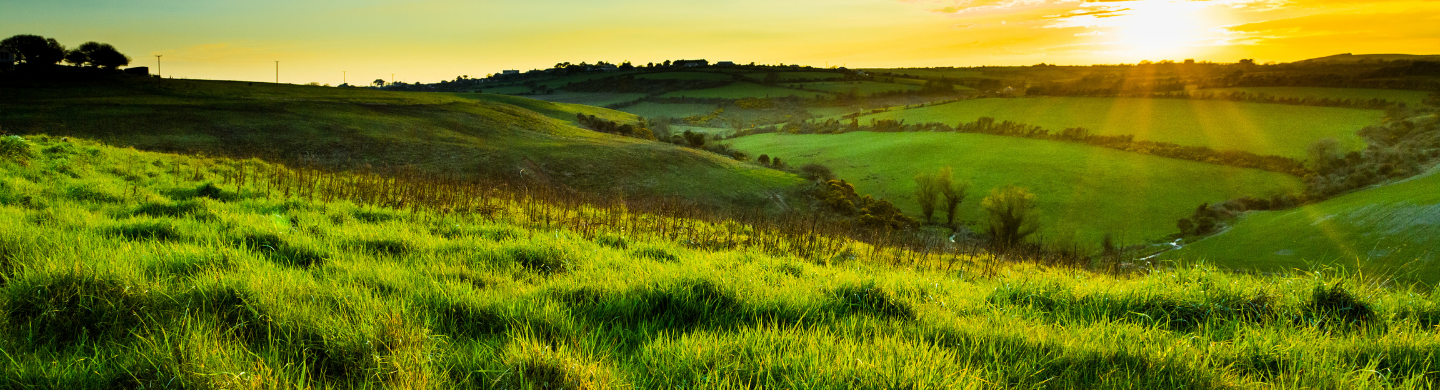
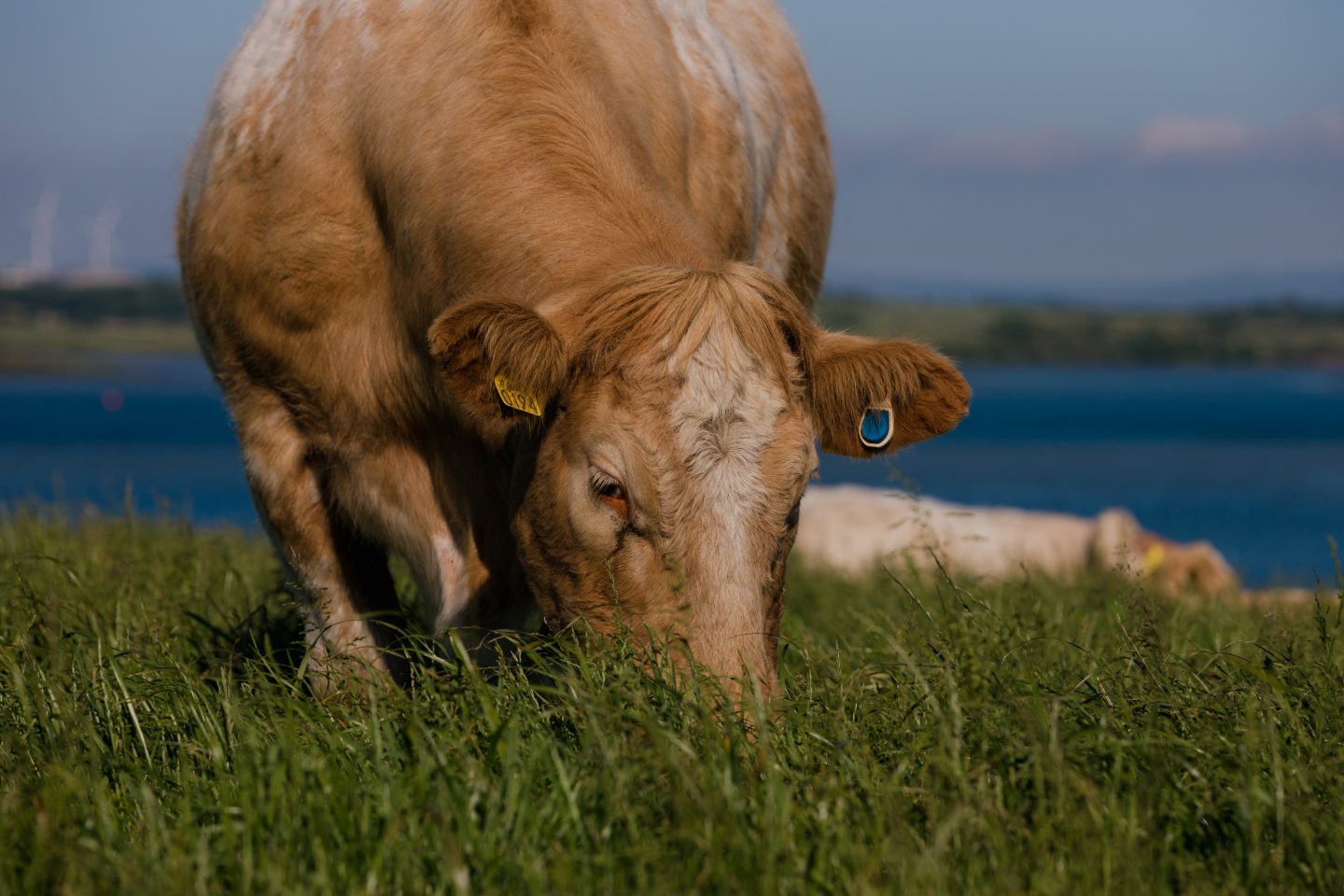
Ireland’s location on the western edge of Europe gives it a temperate climate and plentiful rain. Added to this are its rich, deep soils, ideal for long grass growing seasons and cattle grazing. These lush grasslands make up 85% of the Irish countryside and with no shortage of that special ingredient, rainfall, that makes Irish beef a renowned, and enduring source of the highest quality beef. This grass-based diet produces a fuller, meatier flavoured beef with evenly distributed fat and marbling and high levels of vitamins and nutrients like iron, Omega-3 fatty acids and beta carotene (Teagasc, 2018).
Quality and Choice for Your Customers
Bord Bia Quality Assured Beef from Ireland is predominantly pasture raised on family farms which are members of the Irish national Sustainable Beef and Lamb Assurance Scheme (SBLAS) and are independently audited every 18 months. The scheme audits participating farms against its published criteria.
Additionally, these farms are members of Origin Green, Ireland’s pioneering food and drink sustainability programme, operated by Bord Bia on a national scale, uniting government, the private sector and the full supply chain from farmers to food producers and right through to the foodservice and retail sectors. Farmers who are certified members of SBLAS and who participate in farm sustainability assessments as part of their audit, are the essential first link in Origin Green. In essence, the Bord Bia Quality Assurance scheme is Origin Green operating at farm level. Bord Bia Quality Assurance scheme is the basis for further programmes; PGI, Organic and breed specific schemes such as Certified Irish Angus.

Irish Grass-Fed PGI Beef from selected cattle which is verified as grass- fed (220 days with a minimum of 90% grass) acknowledging that this can only be produced on the island of Ireland. Expert tasting panels consistently award more medals to striploins, ribeyes and fillets from ‘Irish Grass Fed Beef’ than any other competing country. (World Steak Challenge 2025).

Irish organic beef bearing the EU organic logo is certified to applicable EU organic production rules. Ireland has a target of 10% of agriculture land to be farmed organically by 2030, up from 1.5% in 2020. As of 2024, 5% of agricultural land is being farmed organically, including land fully converted and land in conversion.
The best beef around
Consumer taste tests in European and global markets by Bord Bia found ‘Irish Grass Fed Beef ranked highly among consumers on taste intensity, texture and balance of fat in the meat. Expert tasting panels consistently award more medals to striploins, rib eyes and fillets from ‘Irish Grass Fed Beef’ than any other competing country. In November 2025, Ireland won the World’s Best Steak award at the World Steak Challenge in London. In addition to this, Ireland landed a record-breaking 68 medals at the prestigious awards. With 24 gold medals, Ireland was the top-performing country overall and won the grand prize for Irish grass fed steak. The awards for Ireland showcases the exceptional quality of Ireland’s grass-fed beef from heritage breeds (World Steak Challenge 2025).
Many leading restaurants around the world feature ‘Irish Grass-fed Beef.’ In fact, the Chefs’ Irish Beef Club (CIBC) has nine chapters and 100 chefs worldwide who select ‘Irish Grass-fed Beef’ as their beef of choice.
Meeting Customer Requirements:
Ireland’s long tradition as a major beef exporting nation allows the industry to deliver specifications that meet the meticulous demands of retailers, foodservice operators, distributors and food manufacturers globally. This is underpinned by the range of breeds that are reared by Irish farmers. In 2024 there were just over 2.33 million calves born and registered in herds within the Republic of Ireland. More than 70% of these animals were of a beef breed or cross, with the remainder comprising of dairy breeds. Aberdeen Angus was the most popular beef breed among Irish farmers, accounting for almost 25% of total registrations, a 79% increase in the past decade. The five main beef breeds in Ireland include some of the most distinctive and historically significant livestock in Europe. Each breed has unique characteristics that contribute to Ireland’s reputation for high-quality beef production, reflecting the country’s rich agricultural heritage and diverse farming practices.
Aberdeen Angus
– Now considered the dominant breed in Ireland.
Hereford
– Known for their longevity and docile nature.
Charolais
– Particularly suited to the Irish climate due to their adaptable coat.
Limousin
– Known for their yield, at up to 80% of meat on some carcasses.
Dexter
– One of the smallest know breeds at just one metre high
Tradition and science
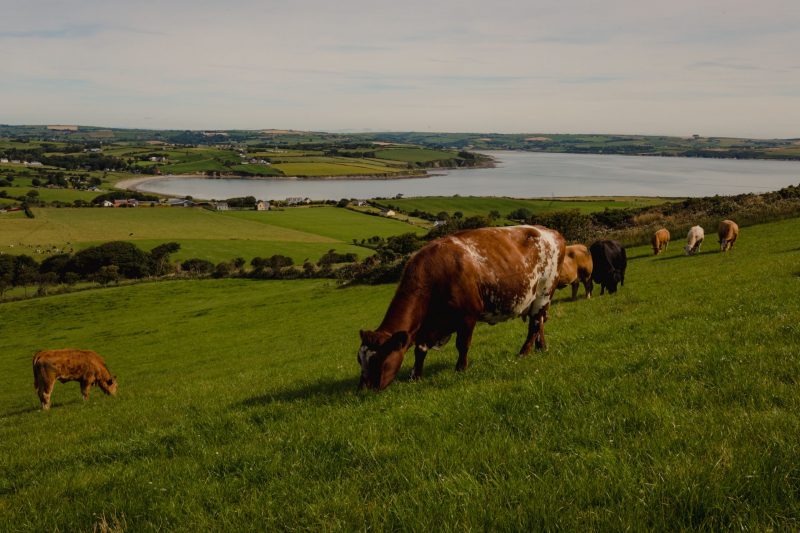
Ireland’s unique dependence on grass-based agriculture, derived from its grass growing potential has been evident for centuries. A mild climate and frequent rain allow beef herds to graze on lush pastures up to 300 days a year.
Cattle rearing has been integral to the Irish economy and rural communities. Ireland’s family farms are small to medium sized. Typically, each farm has 50 livestock and 3,000 square metres of land per animal. This allows farmers to keep a regular eye on all livestock.
Irish cattle enjoy a high standard of welfare and low stress throughout their lives. When transported for processing, Irish cattle only travel short distances, usually less than two hours.
Farms and farming techniques are handed down from generation to generation. Traditional knowledge is boosted by cutting edge technology and science. Every animal in every beef herd is traceable online in real-time from birth to processing, manufacturing and packing.
Genomics has revolutionised the cattle breeding industry. As Ireland genotypes the national herd, the potential of animals can be determined earlier and more accurately. New, economically advantageous traits can be identified, leading to continuous improvement in eating quality, profitability and sustainability that strengthen the global reputation of ‘Irish Grass Fed Beef’.
Technical specification
All Irish grass fed beef PGI carcasses must be from one of the following categories:
- Steers and heifers aged up to 36 months. Conformation better than O-. Fat score between 2+ and 4+.
- Beef cows of up to 120 months. Conformation better than O+. Fat score between 2+ and 5.
The two categories must be separately batched, deboned, packed and labelled. High pH (> 5,8) carcases must be identified and excluded.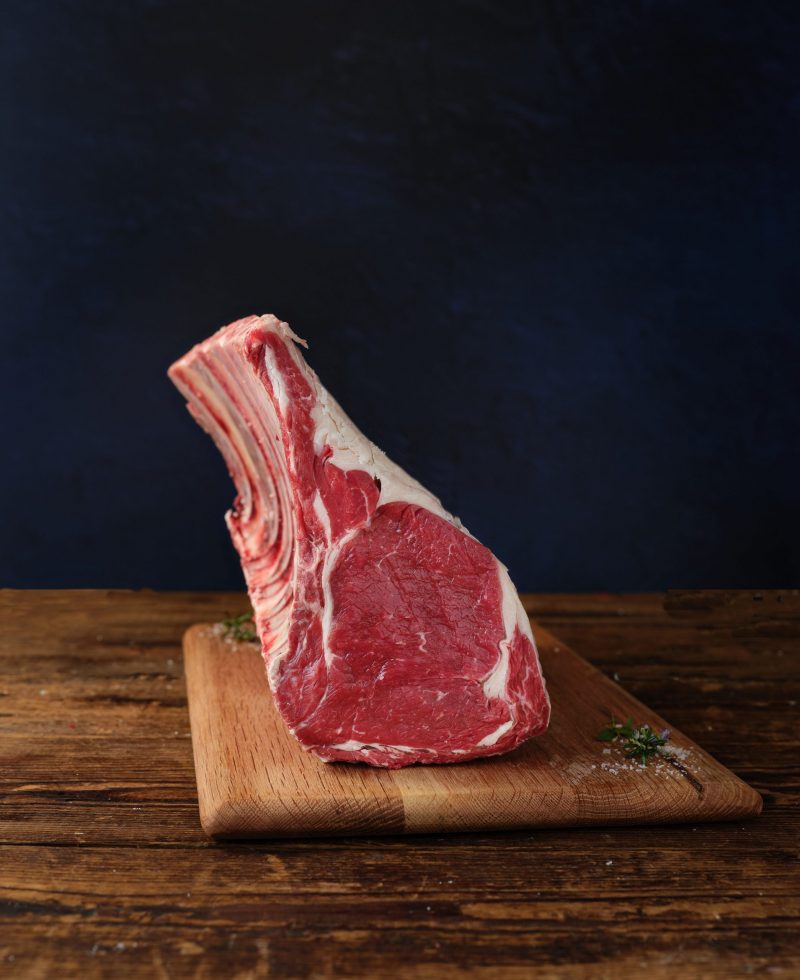
Carcasses must be assessed to ensure they have a pronounced cherry-red meat colour and a high degree of creaminess/yellowness of fat.
Fresh and frozen bone-in and boneless beef are eligible. This includes carcases, quarters, bone-in cuts, boneless primal cuts, minced beef of those cuts and retail packs.
PGI ‘Irish Grass Fed Beef’ can be labelled on minced beef and minced beef products containing 100% Irish Grass Fed Beef and a minimum of 90% visual lean beef.
Products that may be labelled ‘as derived’ from PGI ‘Irish Grass Fed Beef’ are: composite beef containing 100% Irish Grass Fed Beef and a minimum of 90% visual lean beef; premium offals (cheek, tail, thick-skirt and tongue) sourced from qualifying categories of ‘Irish Grass Fed Beef’ cattle.
Irish Grass Fed Beef PGI
PGI ‘Irish Grass Fed Beef’ cattle must be born and raised on grass, finished, slaughtered, chilled and quartered on the island of Ireland. Throughout their lifetime, cattle must spend an average of 220 days per year on grazing pasture. Their diet must be at least 90% grass. This is primarily grazed grass, with winter feeding of wilted grass.
Steers and heifers up to 36 months with conformation better than O- and a fat score between 2+ and 4+ are eligible. Beef cows up to 120 months with conformation better than O+ and a fat score between 2+ and 5 also qualify.
Meat maturation must be a minimum of 48 hours, or 72 hours for hindquarter cuts. Each animal must be assessed to ensure it meets the grass-fed standard.
PGI Irish grass-fed beef assessments are made by a Bord Bia farm and processor scheme that meet international best practice standards and are rigorously and independently audited by the Sustainable Beef and Lamb Assurance Scheme (SBLAS).
Irish Beef Portfolios - More Choice For Your Consumer
is predominantly pasture raised on family farms which are members of an Irish national sustainable assurance scheme and are independently audited every 18 months.
from selected cattle which is verified as grass-fed (220 days with a minimum 90% grass) acknowledging that this can only be produced on the Island of Ireland.

is beef produced using organic farming practices and is sustainably assured.