Why source Irish lamb?
Quality Assurance and traceability
-
- Individual animal identification
- Full traceability from birth
- Independent audits
- Welfare standards
- Food safety controls
- Bord Bia Quality Assurance Scheme
Produced with care on Irish family farms
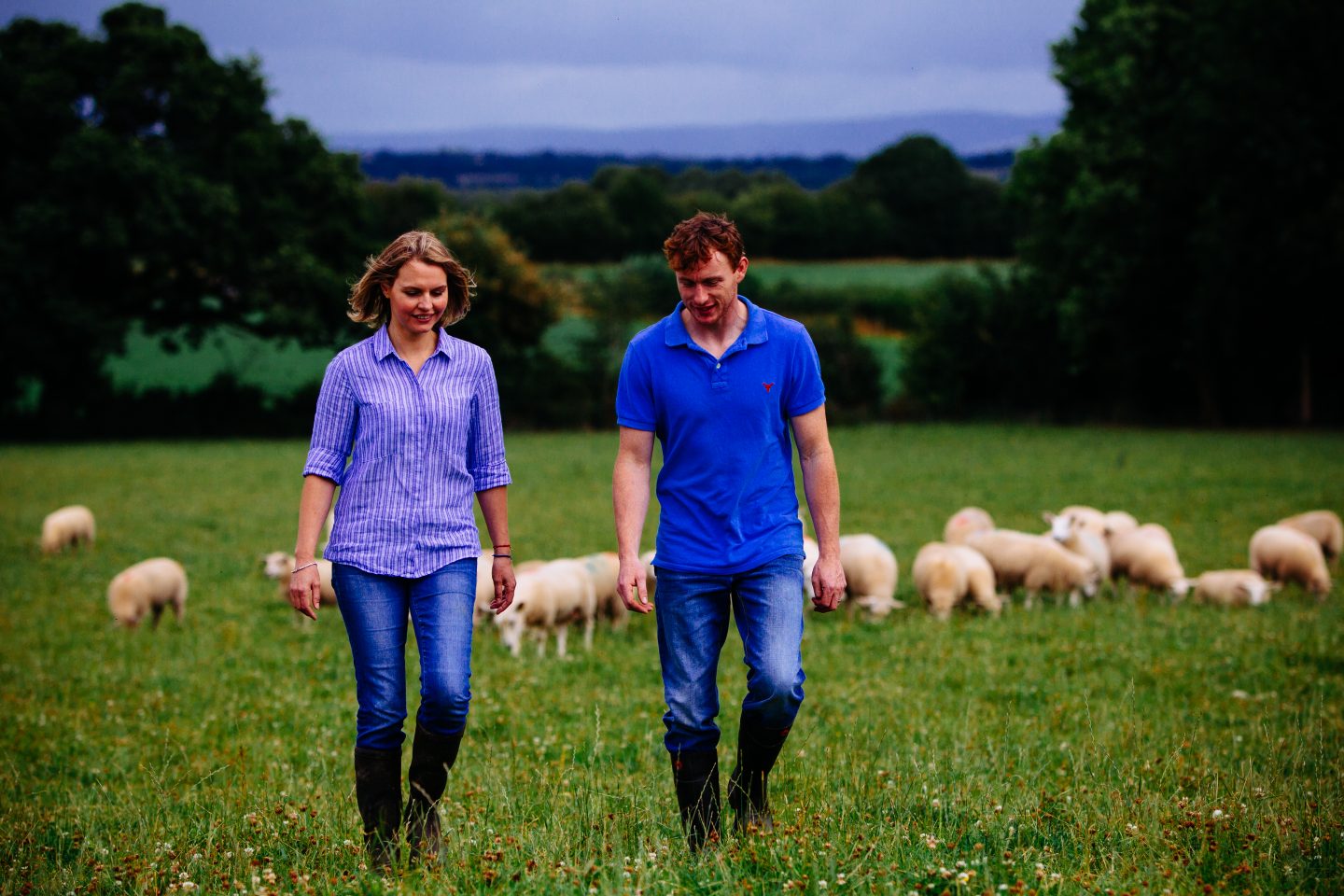
Irish lamb production is rooted in longstanding sheep farming traditions, resulting in a diverse range of lamb products available throughout the year. From milk and Easter lamb to main season and hill lamb, each offers its own distinctive taste and eating experience.
Ireland’s main lambing season runs from February to April each year, with lambs reared outdoors on a diet of their mothers’ milk and fresh spring grass.
The island’s fertile soils, varied landscapes and temperate climate help create the lush green pastures on which Irish lamb is raised. With approximately 34,000 sheep farmers and more than 2.5 million breeding ewes, sheep farming in Ireland is often a family-run enterprise. The average ewe flock numbers just over 100 head, allowing farmers to give close attention to the health and welfare of their flocks throughout the year.
Find Irish lamb suppliers
Specialists in
ABP ensure the value of by-products is maximised and the environmental impact of our business and customers is minimised.
Markets
Africa, Asia, Europe, Great Britain, Ireland, North America
Specialists in
Dawn Meats specialise in producing bone in and boneless beef, lamb and burger patties. Dawn Meats provides ready-to-heat meal solutions and on-the-go meat snacks in frozen, chilled, or fully cooked formats.
Markets
Africa, Asia, Europe, Great Britain, North America
Specialists in
Good Herdsmen specialise only in organic beef and lamb. We retail pack for some of Europes top supermarkets and supply organic meat ingredients for some of Europes best organic baby food processors.
Markets
Europe, Great Britain
Specialists in
The processing of Irish lamb.
Markets
Asia, Europe, Great Britain, Middle East
Specialists in
IFP ensures the value of by-products is maximised and the environmental impact of our business and customers is minimised.
Markets
Africa, Asia, Europe, Great Britain, Ireland

Specialists in
Meat solutions
Markets
Africa, Asia, Europe, Great Britain, Ireland, Middle East, North America
Specialists in
Sous-vide proteins, offering a wide range of fully cooked products with both fresh and frozen options available.
Markets
Europe, Great Britain, Ireland
Specialists in
Slaughtering and deboning prime beef and lamb
Markets
Europe, Great Britain, Ireland
Responsible sheep farming
Over 80% of sheep farmers in Ireland have been members of environmental protection programmes, which help participants to farm in an environmentally friendly manner and work consistently towards environmental improvements. These programmes include measures aimed at supporting biodiversity and protecting habitats for native plant and animal species, and encourage farmers to work together on shared environmental goals.
Origin Green is Bord Bia’s national sustainability programme. It brings together farmers and primary producers, processors and retailers to support sustainability initiatives across the food supply chain.
Farmers certified under the Sustainable Beef and Lamb Assurance Scheme (SBLAS), who complete farm sustainability assessments as part of their audit, form an important part of Origin Green. Through measurement and feedback, the programme helps identify opportunities to improve efficiency and monitor sustainability performance.
Many farmers recognise that measures designed to improve sustainability can also support operational efficiency. In many cases, sustainability and efficiency can work together to help support farm businesses, while protecting natural resources for future generations.