Demand for Healthy and Nutritious Food is Rising: Here Are Three Priority Areas for Category Directors
1. Ensure nutritional messaging is transparent and clear
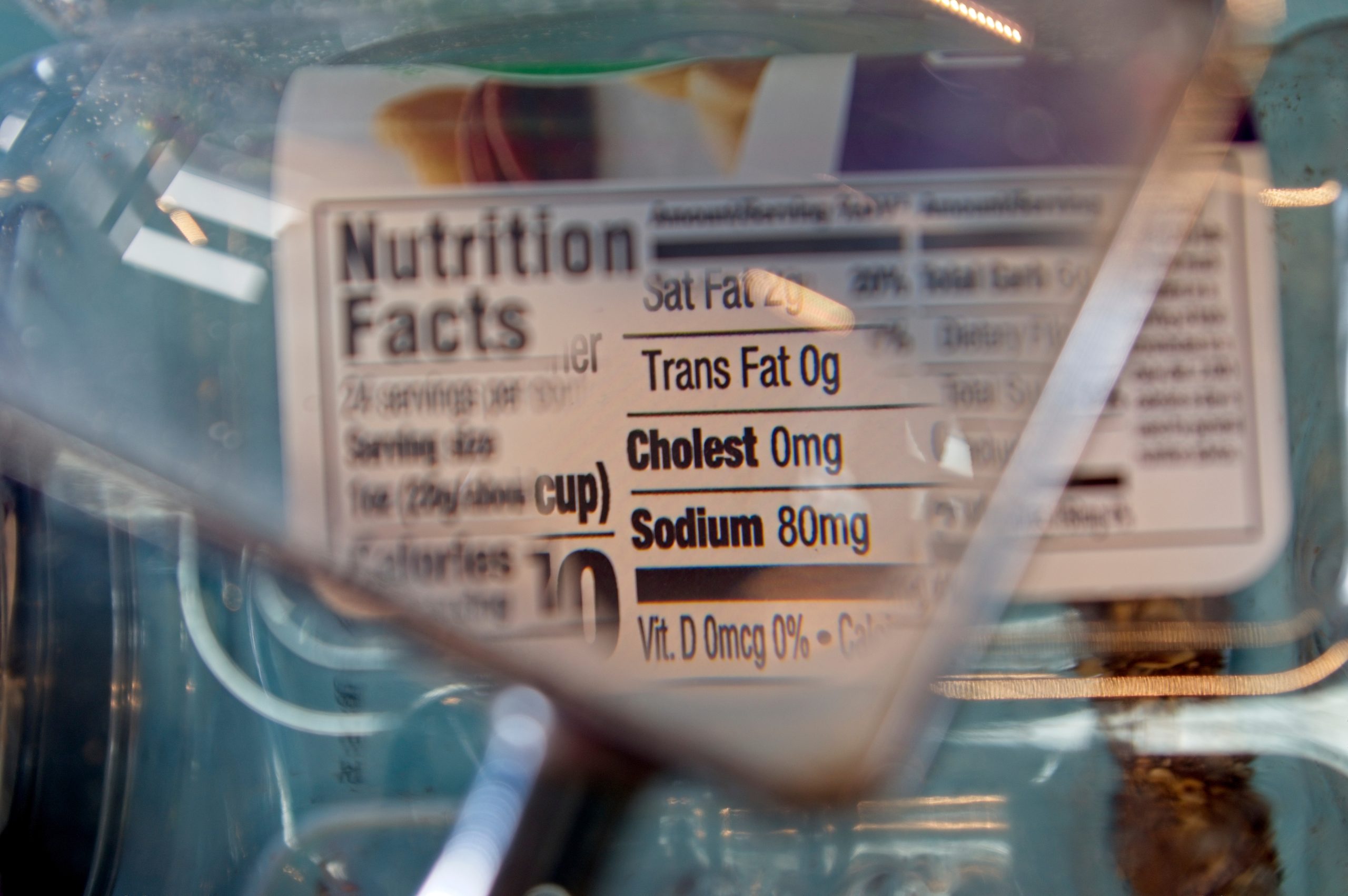
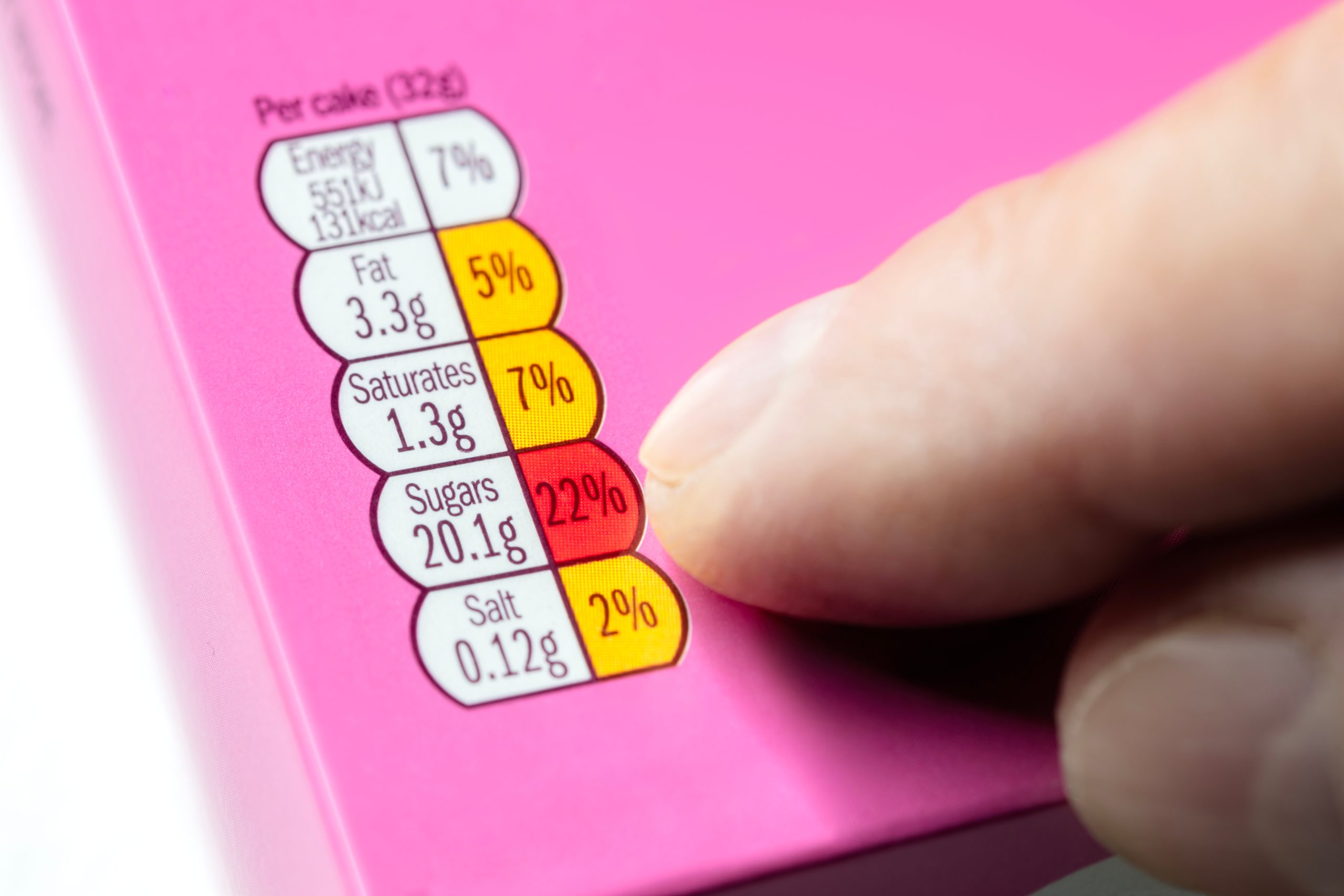
Consumers increasingly want to make healthy food choices — and they have a growing desire for more simple, natural ingredients. However, confusing messaging or limited information holds them back. For instance, 68% agree they’d like food companies to be more transparent in relation to the nutritional content of the food they produce.
And 53% agree that it’s hard to know what the nutritional scores on packaging mean and how they are calculated. In response, Category Directors should work with suppliers to build transparency and clarity around ingredients. This could include focusing on simplified language, standardised nutritional terms, intuitive labelling, and clearly explaining how products have been produced.

2. Appeal to surging interest in high-protein products
Consumer interest in protein continues to soar. In fact, year on year, searches for high-protein foods have more than doubled, and searches for “natural protein” are up 20%.
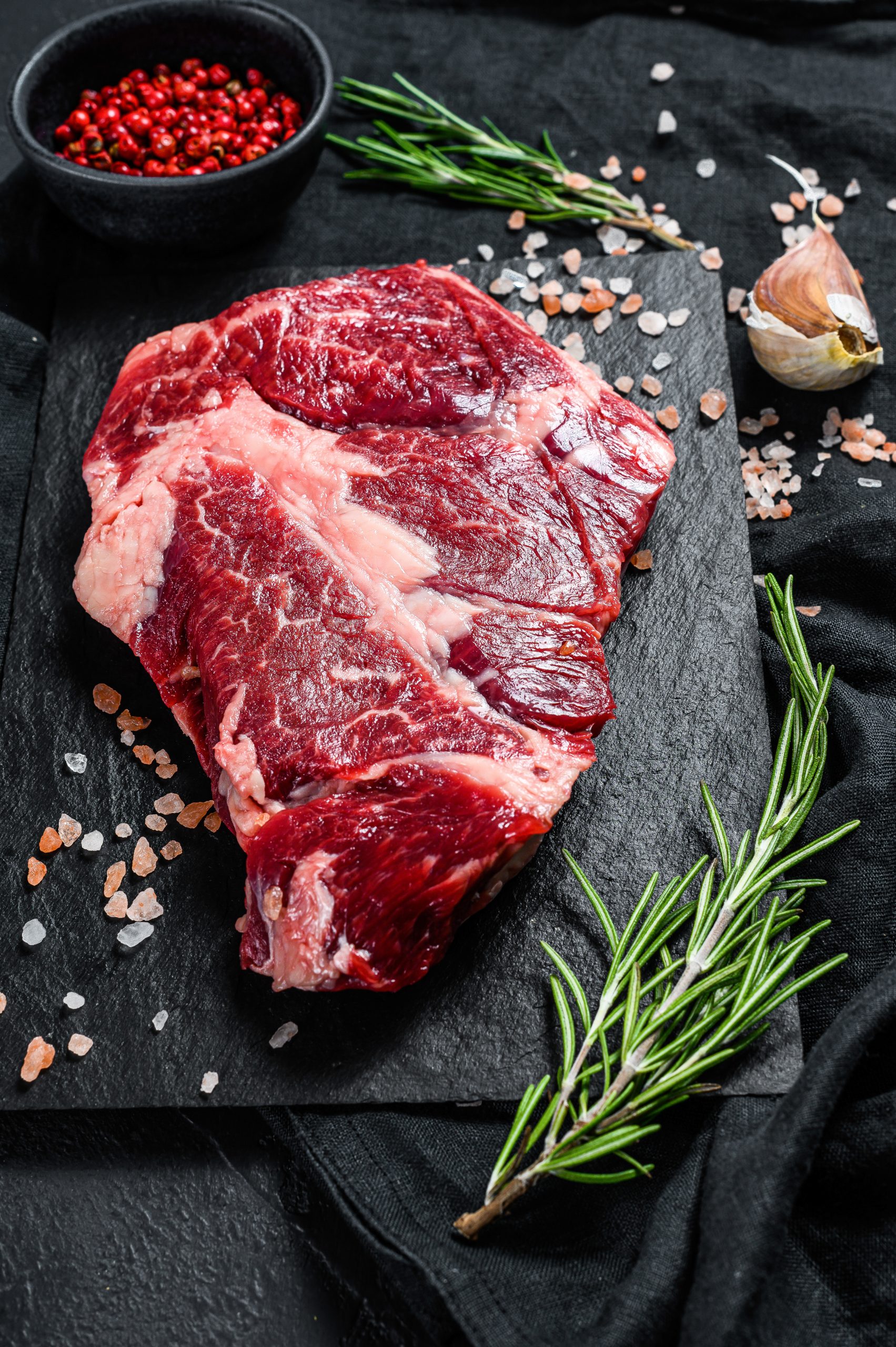
Notably, demand for grass-fed beef is on the rise — indicating that consumers are willing to pay a premium for quality, natural animal protein. At the same time, interest in plant-based protein sources, while still high, is starting to plateau.
The takeaway for Category Directors? Consider a diverse sourcing strategy featuring plant, animal, and blended protein options. Sourcing natural, high protein snacks and meals will also help you appeal to on-the-go consumers looking to balance health with convenience.


3. Bridge nutritional gaps from GLP-1 drugs
There’s been a huge recent uptake in GLP-1 drugs, which are helping support new approaches to weight loss. However, researchers have noted that these drugs can potentially lead to nutritional deficiencies and that individuals may struggle to consume sufficient protein and micronutrients.
Category Directors can help consumers compensate for these dietary deficits by providing low-calorie/nutrient-dense options.
As the popularity of GLP-1 drugs continues to grow, developing quality, tailored product ranges (such as high-protein and high-fibre meals) could help further meet shifting dietary demands.
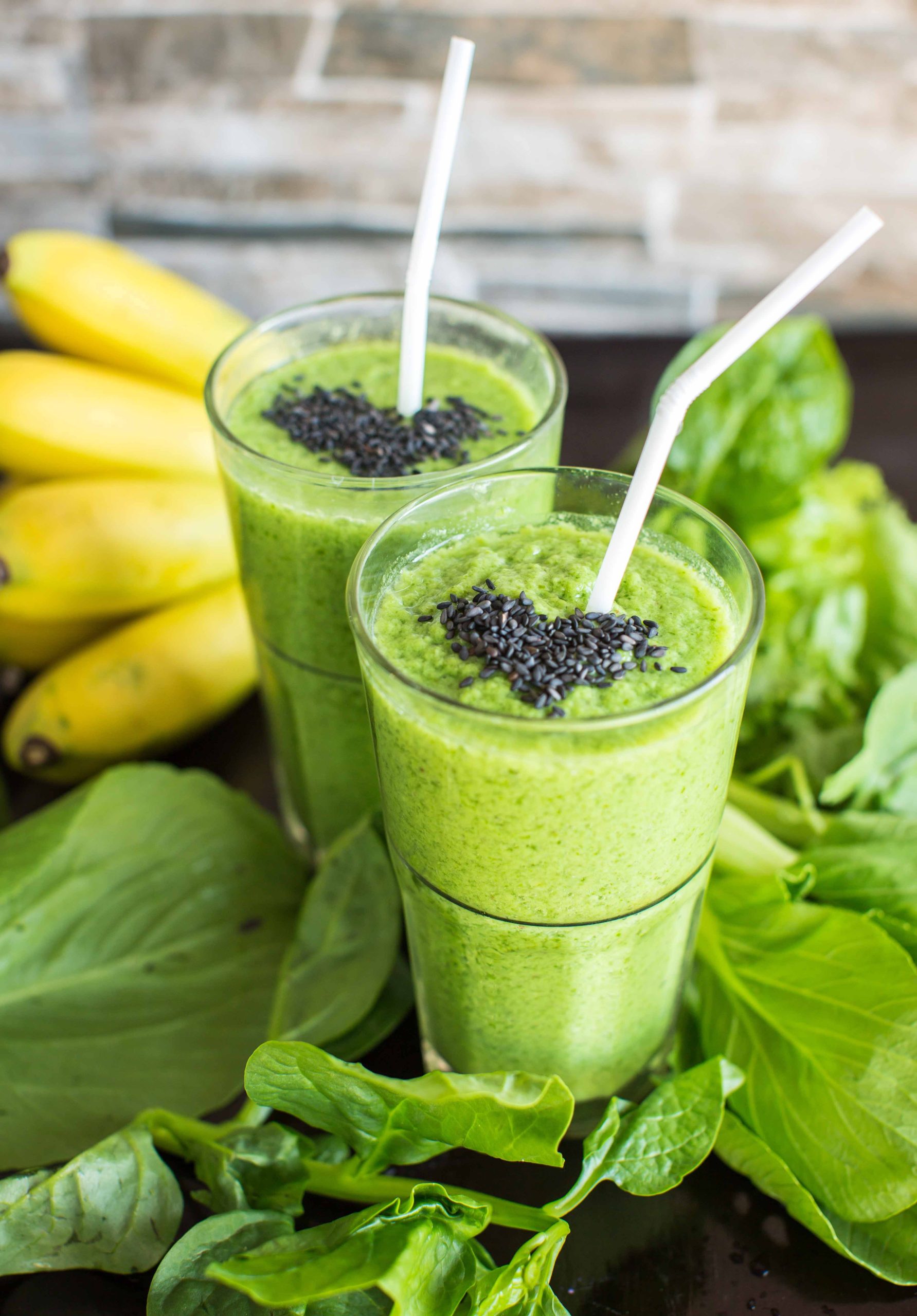
Demand for Healthy and Nutritious Food is Rising
Three Priority Areas for Category Directors


Stay Ahead of Health and Nutrition Trends
Consumer attitudes towards health and nutrition are nuanced and always in flux. Online trends, shifting national health recommendations, and new pharmaceuticals are all shaping and reshaping behaviour.
Given the complexity and pace of change, Category Directors need the ability to track buying habits and attitudes while keeping pace with the evolving scientific health
literature. To find out how Bord Bia can help with that, get in touch today.
View Related Articles
View MoreFrom Transforming Crop Resilience to Food Waste: Key Sustainability Innovation Trends for Category Directors
Read

Demand for Healthy and Nutritious Food is Rising: Here Are Three Priority Areas for Category Directors
Read

From Boosting Revenue to Hitting ESG Goals: Supply Chains Can Unlock New Value for Category Directors
Read