From Boosting Revenue to Hitting ESG Goals: Supply Chains Can Unlock New Value for Category Directors



1. Agentic AI will revolutionise supply chain management
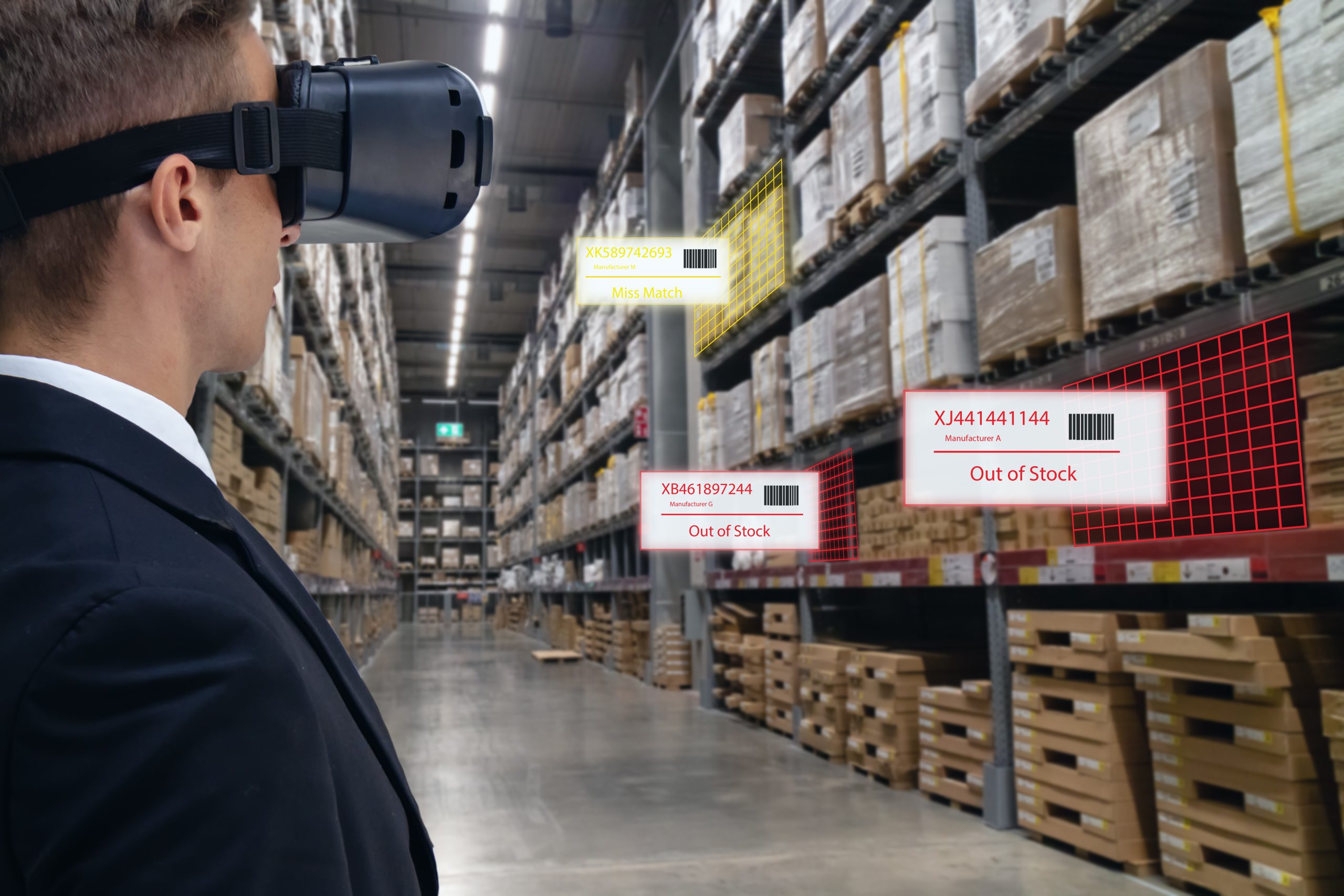
With the ability to autonomously plan, reason, and act, AI agents can execute complex tasks without the need for human input. Applied to food retail, they can be used to monitor inventory, automatically issue restocking orders, conduct financial reporting, and adjust logistics in response to real-time disruptions.
As agentic AI automates a growing portion of the supply chain, it can help Category Directors in a host of ways — from minimising inefficiencies to reducing operational costs. But human oversight will remain vital. Category Directors will need to carefully track AI decisions and recommendations to ensure accuracy and compliance.


2. Logistics firms are using tech to cut costs and emissions
Faced with energy volatility and rising costs, logistics firms are investing in more sustainable ways to power their fleets. For instance, one leading supermarket has introduced solar-powered refrigerated trailers that maintain ambient, frozen, and chilled products during transit and when the vehicles are stationary.
In Europe, transport companies such as Einride are also trialling automated trucks to improve efficiency and sustainability. While relatively nascent, the technology is advancing quickly and could soon transform the industry at large. As Category Directors seek ways to improve the reliability, visibility, and sustainability of their supply chains, the progress happening in logistics represents another avenue to make progress by forging strategic partnerships.

3. Sustainability innovations are transforming food production
Increasing climate change threatens to drive up food costs and disrupt supply chains. But across Europe, innovative manufacturers are finding ways to decarbonise production.
These efforts include swapping fossil fuels for renewable energy sources, such as biomass wooden chips. To cut waste and costs, forward-thinking manufacturers are also repurposing leftover materials into food ingredients and packaging.
For Category Directors, these examples illustrate opportunities to build partnerships with transparent, sustainable suppliers that can positively impact ESG progress and reporting.

From Boosting Revenue to Hitting ESG Goals
Supply Chains Can Unlock New Value for Category Directors


Bring Insights and Innovation to Your Supply Chain
At Bord Bia, we can help you transform how you manage your supply chain, from connecting
you with innovative suppliers to providing you with vital industry insights. To find out more, get in
touch today.